Ask any student about their college goals, and placement is likely to be one of the first things they mention. It is understandable. After all, higher education is closely connected to career aspirations. Students invest years in learning, developing skills, and preparing for professional opportunities.
However, there is a question that often gets overlooked during admissions:
What happens before placements?
Because the truth is, successful careers are not built in the final semester. They are built through continuous learning, practical exposure, professional interactions, and industry engagement throughout the college journey. This is why internship opportunities have become one of the most important indicators of how effectively a college prepares students for the future.
In today’s competitive environment, companies are looking for much more than academic qualifications. They want candidates who understand workplace expectations, can communicate professionally, adapt to dynamic situations, and contribute from day one. This shift has made industry exposure for students an essential part of higher education rather than an optional advantage.
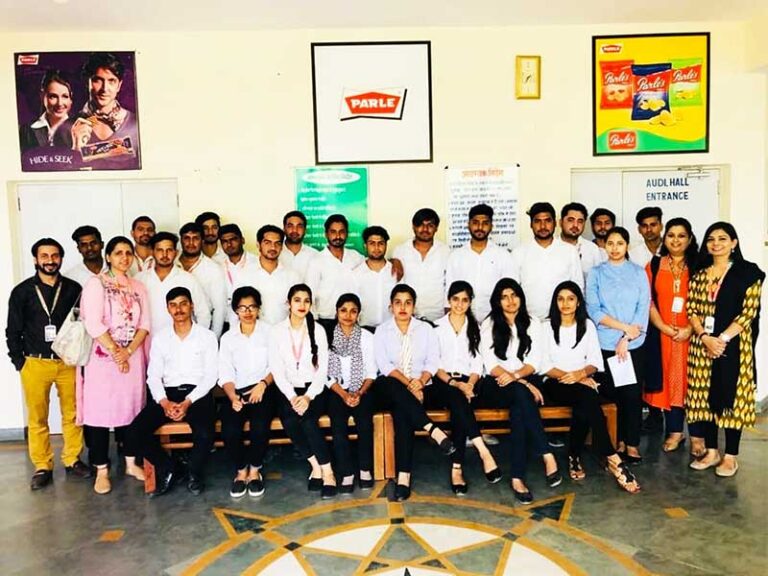
At institutions that focus on career readiness, internship initiatives are no longer treated as occasional activities. They are integrated into the broader learning experience. This is exactly why the recent internship drive at WCTM attracted significant attention among students across multiple disciplines.
The Workplace Has Changed. Student Preparation Must Change Too.
A few years ago, many students completed their degrees with limited understanding of professional environments. Their first interaction with recruiters often happened during placement season. Their first exposure to workplace culture came after they were hired.
That model no longer works effectively.
Modern industries operate at a fast pace. Companies expect graduates to possess not only technical knowledge but also practical awareness. Employers want candidates who understand deadlines, teamwork, professional communication, problem-solving, and business expectations.
This is where internships create tremendous value.
An internship helps students move beyond theoretical learning and observe how organizations function in reality. It transforms classroom concepts into practical experiences and allows students to understand how their academic knowledge connects with professional responsibilities.
For many students, this becomes the moment when education starts making sense beyond examinations and grades.
Why Internship Drives Have Become a Major Advantage
Not every student has personal industry connections. Not every student knows how to approach organizations for opportunities. This is why institutional support plays a critical role.
When colleges actively bring organizations to campus, students gain access to opportunities that might otherwise remain difficult to discover. A well-organized WCTM internship drive creates a bridge between students and industry, allowing learners to interact with recruiters, understand expectations, and explore professional pathways while still pursuing their education.
More importantly, these experiences help students develop confidence. The workplace often feels intimidating to those who have never experienced it. Internships reduce that uncertainty by giving students a chance to engage with professional environments early in their academic journey.
The result is a more prepared, more aware, and more confident student.
Industry Exposure Is Valuable Across Every Course
One of the biggest misconceptions about internships is that they are primarily relevant for engineering students.
The reality is quite different.
Every academic discipline benefits from professional exposure because every industry values practical understanding.
For example, internship opportunities for BBA students help aspiring managers understand business operations, marketing processes, customer engagement, sales strategies, and organizational structures. Instead of studying management only through textbooks, students begin seeing how businesses actually function.
Similarly, internship opportunities for BCA students allow learners to observe how technology is applied in real business environments. They gain exposure to software systems, digital operations, IT workflows, and practical problem-solving approaches that extend far beyond classroom exercises.
This is why internship experiences have become increasingly important across management, technology, and professional education programs.
The Difference Between Education and Industry-Oriented Education
Many colleges provide education.
Far fewer provide industry-oriented education.
There is a significant difference between the two.
Traditional education focuses on delivering knowledge. Industry-oriented education focuses on preparing students to apply that knowledge in professional environments.
Students today need both.
They need academic foundations that help them understand concepts. But they also need opportunities that help them understand how those concepts are used in organizations, businesses, and industries.
This balanced approach is becoming one of the defining characteristics of institutions that prioritize student outcomes.
It is also one of the reasons why students increasingly evaluate colleges based not only on academics but also on the opportunities they provide for industry engagement.
Why Career-Focused Learning Matters
The most successful students are often those who begin thinking about careers early.
They do not wait until graduation to understand industry requirements. They actively seek opportunities to learn, explore, and gain experience throughout their academic journey.
This mindset is shaping a new generation of learners.
Today’s students want exposure. They want interaction with professionals. They want to understand emerging industries. They want to know which skills matter and how they can position themselves for future opportunities.
A career-focused college in Gurgaon must therefore go beyond classroom teaching and create pathways that connect students with the professional world.
Internships are one of the most effective ways to achieve this objective.
They help students build practical awareness, develop professional confidence, and gain a clearer understanding of potential career paths.
Why Students Are Paying Attention to WCTM
As students compare colleges, they are increasingly looking for institutions that support both learning and employability.
This is where WCTM continues to strengthen its reputation as a best college in Gurgaon and a top college in Delhi NCR for students seeking career-oriented education.
Through internship initiatives, industry interactions, professional development activities, and continuous efforts to strengthen corporate engagement, WCTM focuses on helping students gain exposure long before they enter placement season.
The institution understands a simple but important reality:
Students who interact with industry earlier often perform better when professional opportunities arrive later.
This philosophy is reflected in the growing emphasis on placement and internship support, ensuring students are not only academically prepared but also professionally aware.
The Future Belongs to Students Who Start Early
The modern job market rewards initiative.
Students who seek opportunities, engage with industry, and develop practical understanding often stand out in competitive environments. Internships provide an opportunity to do exactly that.
They allow students to move from learning to application, from theory to practice, and from uncertainty to confidence.
That is why internship drives are becoming increasingly important across higher education.
They are not merely recruitment activities.
They are opportunities to learn, explore, grow, and prepare for the realities of the professional world.
And for students looking to build meaningful careers, that journey should begin long before graduation.
About the Author